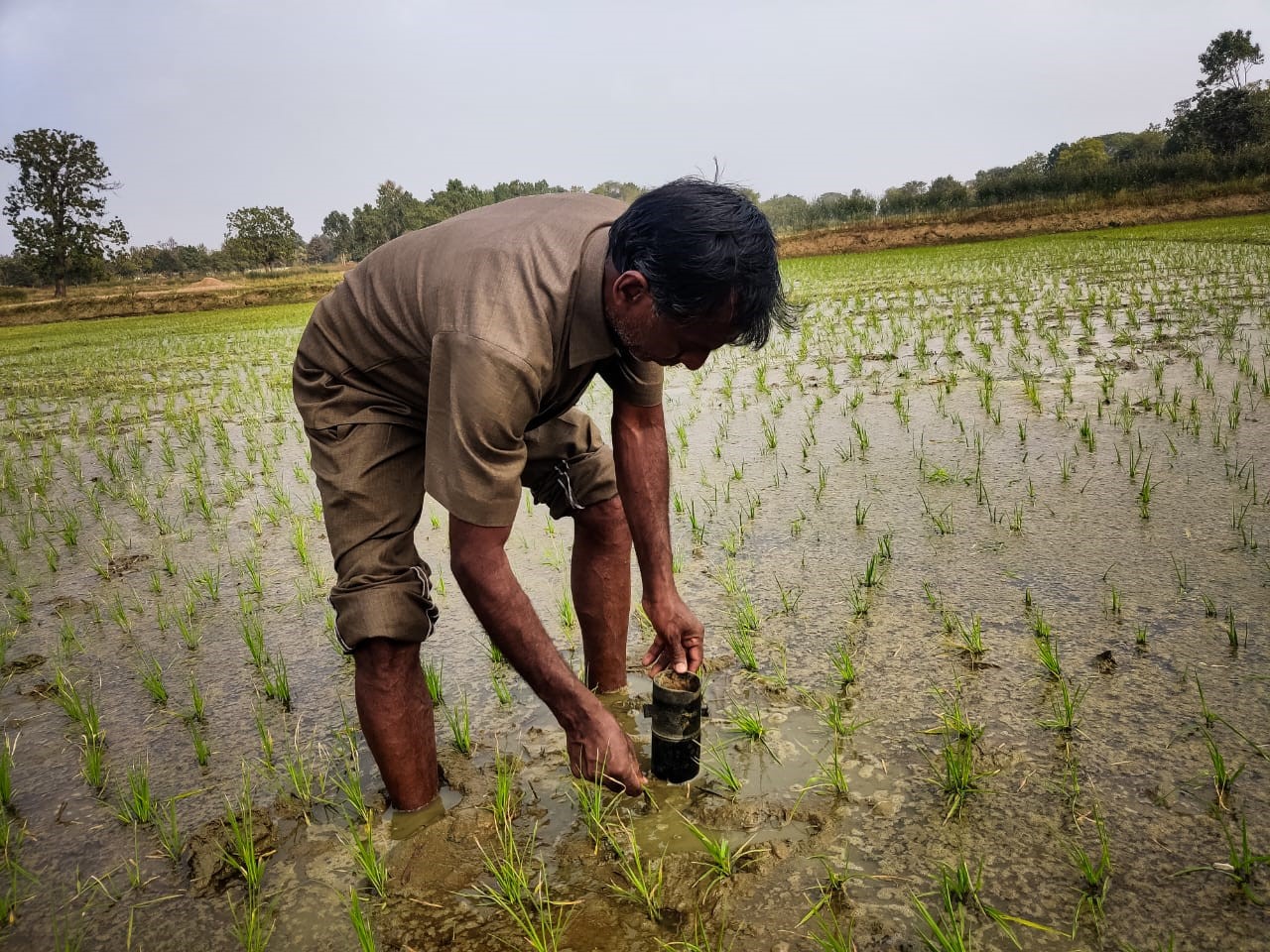
Alternate Wet and Dry (AWD) Method to Support Sustainable Agriculture
Published in - Organizational
Feb 23, 2024
Alternate Wet and Dry (AWD) Method to Support Sustainable Agriculture
Alternate Wet and Dry is a farming practice that follows alternate wetting and drying methods to cultivate paddy in lowlands intended to optimally use water and reduce greenhouse gas emissions. Few of the Indian states including Telangana and Punjab, have adopted AWD cultivation for paddy.
Generally, AWD is suitable for cultivating paddy in lowlands where soils can be drained at 5-day intervals. This wetting method prevents the field from drying during the rice-growing period.
4 Comments
Very detailed and well reseached
good initiative
Encouraging
It would be more informative if the outcomes of the study conducted had been given in an elaborated manner, such as total methane emission reduction, total quantity of water conserved, and average carbon credits earned by the farmers, etc.
Leave a Reply