INTRODUCTION
Kolkata, the City of Joy, renowned for its rich culture and historic charm, is grappling with growing urban transportation problems. It is the only metro city in India with very limited road space — just 6% of its area is covered by roads, significantly less than in other cities. At the same time, the number of private cars is rising every year. In 2024, vehicle registrations at the Alipore RTO grew by 14.32%. The Public Vehicles Department also recorded a 12.05% increase in registrations in 2024.
Buses, once the lifeline of Kolkata, used to carry passengers across the city at a low cost and with strong connections to every neighbourhood. Before COVID-19, the city had more than 6,000 private buses, but now only about 3,500 remain. This shortage is putting pressure on a system that still supports around 56% of Kolkata’s people, making travel less reliable and affordable.
With more cars on the road, parking problems, heavy congestion, and slower traffic in the city centre are adding to the strain.
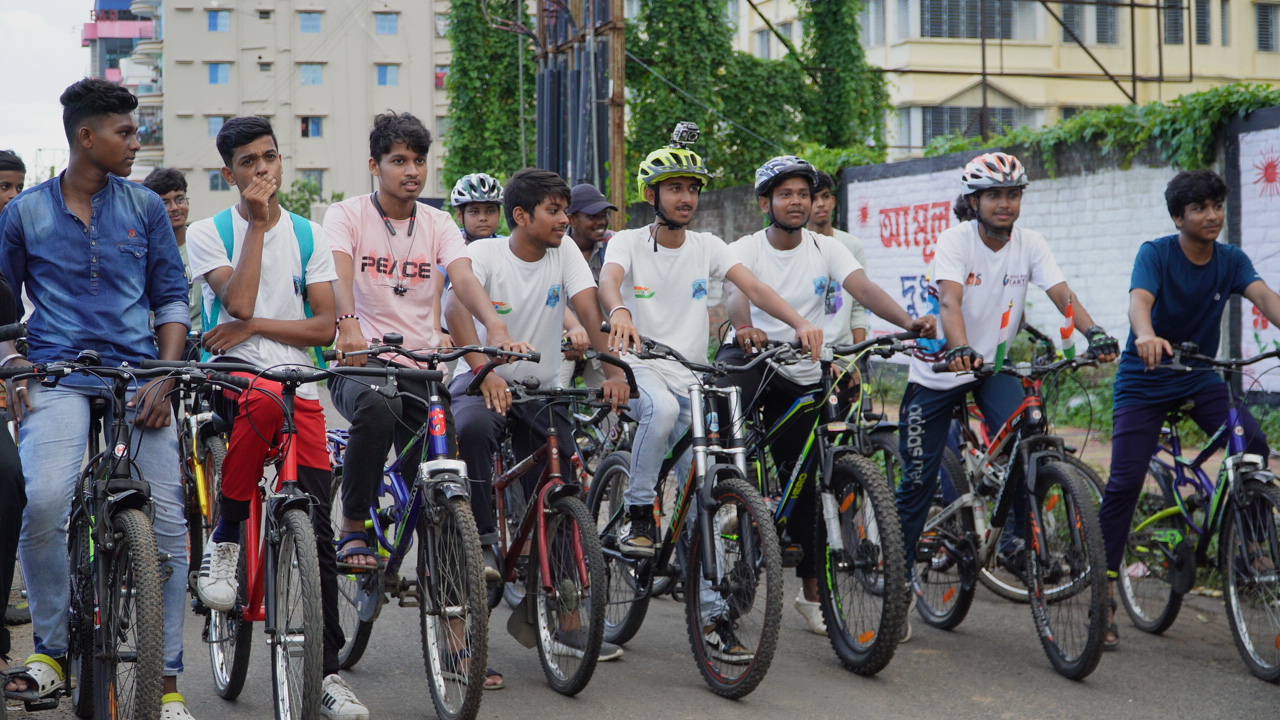
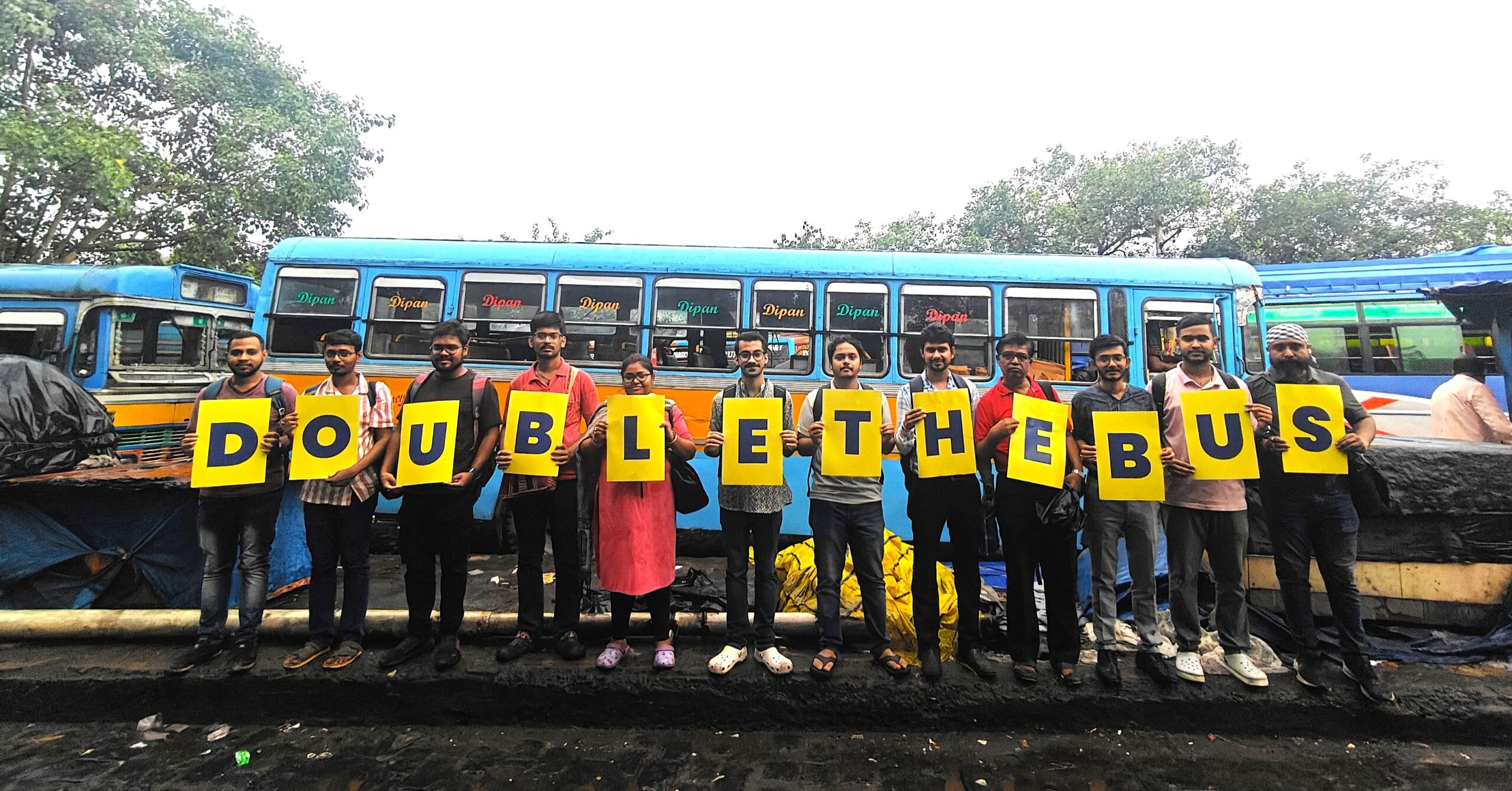
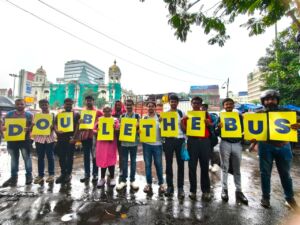
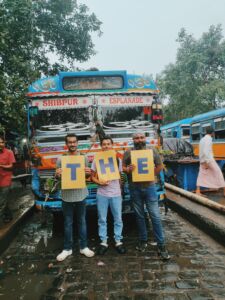
On World Car Free Day, SwitchON participated in the nationwide “Double the Bus” campaign as a part of the Sustainable Mobility Network (SMN). This is the right moment to look closely at Kolkata’s bus system. Buses not only keep the city moving but also cut congestion, reduce dependence on private vehicles, and improve air quality, with reduced wheels on the roads — especially with the recent introduction of electric buses. Strengthening this network is key to ensuring fair, affordable, and sustainable transport for all.
OUR STUDY
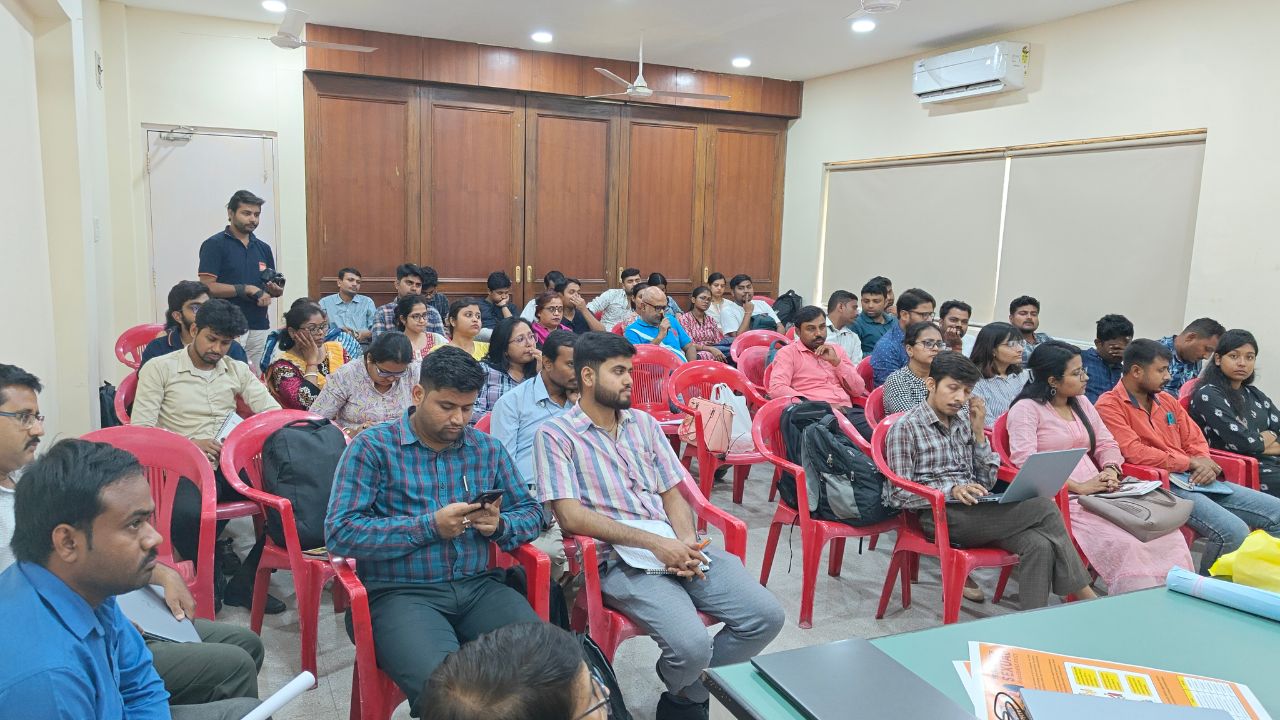
Earlier this year, SwitchON Foundation, as part of the Sustainable Mobility Network (SMN) and in collaboration with Kolkata Bus-o-Pedia Foundation, carried out a perception-based survey titled Assessing Kolkata’s Bus Transport. The study aimed to capture how commuters experience and evaluate the city’s bus services, focusing on central business districts (CBDs) where reliance on buses is the highest. Conducted between March 2 and March 6, 2025, the survey engaged 269 respondents through structured questionnaires.
The respondent group reflected Kolkata’s diverse commuter base: 74% were male and 26% female; a majority (75%) were between 18 and 35 years, 17% were aged 36–60, while a smaller group comprised school-aged respondents and senior citizens. In terms of occupation, private sector employees made up the largest share (35%), followed by students and service-sector professionals.
This cross-section of voices offered valuable insights into key aspects of the bus system — including waiting times, affordability, safety, and the overall reliability of services.
FINDINGS
Most of the responding commuters of the bus service (41%) travel 10-20 km each day via bus. A major concern highlighted in the survey was long waiting times — about 40% of respondents said they usually wait more than 10 minutes, and nearly 25% reported that, at times, the wait can stretch to an hour.
Service quality is another challenge: 44.6% of respondents felt that city bus services do not meet expectations. Peak-hour traffic, combined with a reduced fleet, further slows journeys and undermines reliability.
The study also mentioned several structural issues: a shrinking fleet, irregular service frequency, weak integration with other modes like metro or trams, and ongoing safety concerns. Together, these factors limit the efficiency and attractiveness of buses as a preferred public transport option.
WAY FORWARD
Strengthening Kolkata’s bus network is essential to tackle traffic congestion and improve the city’s air quality. A resilient, climate-friendly bus system must be at the centre of Kolkata’s sustainable mobility goals.
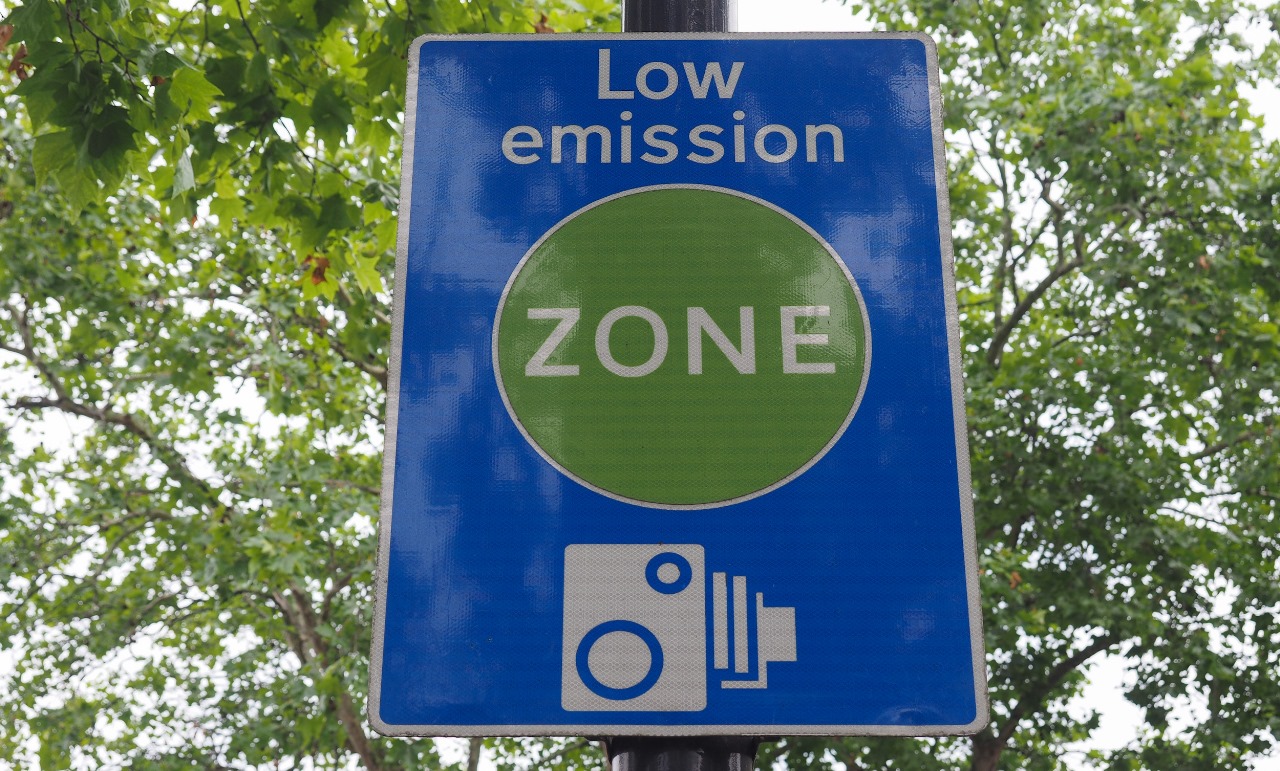
A supportive policy environment is key. The bus industry needs encouragement through incentives and fair regulation, while the use of private vehicles in dense areas should be discouraged. Introducing congestion fees for private cars in busy central business districts, while making buses or other public transport free for the same stretches, could shift travel choices towards sustainable modes.
Restoring the city’s bus capacity is a priority. Losses faced by operators during the pandemic must be addressed to bring the fleet back to pre-COVID strength. At the same time, the city should prioritise electric buses, supported by well-trained drivers and maintenance staff. Electrification and modernisation of the fleet will cut emissions and operating costs over time.
Integration across Kolkata’s diverse public transport modes — buses, suburban trains, ferries, and metro — is equally important. Coordinated scheduling, reliable vehicle availability, and improved first- and last-mile connections through safe walking paths and cycling facilities will make the system more convenient and inclusive.
Finally, once service quality and capacity improve, the city should enforce dedicated bus lanes to keep buses moving efficiently and ensure fair use of road space. These measures together can help buses regain their prominence on Kolkata’s roads, creating a cleaner, faster, and more equitable transport future.
CONCLUSION
Kolkata’s buses remain a vital public service, offering unmatched reach and affordability to millions of residents. Without urgent steps to rebuild fleet capacity and enhance service reliability, the city risks losing its most inclusive and efficient mode of transport.
The Double the Bus campaign presents a timely opportunity to reimagine Kolkata’s mobility future. By expanding the bus fleet, improving service frequency, and accelerating electrification, the city can ease congestion, cut emissions, and make daily travel safer and more affordable. Strengthening this backbone of public transport will also support cleaner air, better road management, and a fairer, more sustainable urban commute for everyone.
REFERENCE
- Chowdhury, I. R. (2016). Scenario of on Street Parking Demand: A Case Study of Kolkata City, India. Research Journal of Recent Sciences E-ISSN, 2277, 2502.
- City of London Corporation. (2023, October 9). Parking enforcement. City of London. https://www.cityoflondon.gov.uk/
- JICA. (n.d.). Kolkata East-West Metro Project (Loan Agreement). JICA – 国際協力機構. https://www2.jica.go.jp/en/evaluation/pdf/2007_ID-P192_1_f.pdf
- Vahan Dashboard https://vahan.parivahan.gov.in/vahan4dashboard/


 1
1  0
0